
Ready to come home to YOU?

Recovery coaching for addiction,
emotional sobriety, and life transitions
supporting people who want more ease, less fear, and steadiness in an increasingly overwhelming world.

Recovery isn’t just about quitting.
It’s about remembering who you are and what you’re here for.
That’s why Ocean Heart Healing offers recovery coaching that’s rooted in lived experience, emotional sobriety, and embodied change, designed for people in addiction recovery and anyone ready to break unhealthy patterns that are causing dis-ease.
If you’re sober (or sober-curious) and still feel anxious, disconnected, or stuck—or if you’ve done meetings or therapy and want something more integrative, this holistic program offers steady, compassionate support grounded in real life and practical action.
A different way to understand recovery:
One way to understand addiction is any behavior we continue despite knowing it brings harm or unwanted consequences into our lives.
Recovery, however, means different things to different people. For some, it begins with substances. For others, it shows up in patterns of unhealthy relationships, overworking, or emotional disconnection.
At its heart, we believe recovery is about restoring relationships: to ourselves, to the people around us, to healthy eating, to things we love to do, or to whatever feels supportive to our clients. It’s about coming back into alignment with the person one wants to be, and learning how to live with more presence, honesty, and care.


Change doesn’t happen in isolation—it happens in relationship, with support that feels steady, honest, and humane.
Deep Listening, Real Impact.
Deep Listening, Real Impact.
Who this work is for:
This work may be a good fit for you if:
You’re in addiction recovery and want support that goes beyond meetings or check-ins.
You’re sober, sober-curious, or emotionally sober, but still feel anxious, stuck, or disconnected.
You’ve done therapy, AA, or other programs and sense there’s a layer of integration waiting—one that includes the body, not just the mind.
You’re navigating patterns around stress, avoidance, people-pleasing, or self-sabotage and want practical support to change them.
You’re open to a holistic approach that includes nervous system regulation, emotional awareness, and optional somatic practices.
This work may not be a fit for you if:
You’re looking for crisis intervention, detox support, or clinical treatment.
You want quick fixes, rigid rules, or someone to steer your life for you.
You’re not ready to engage honestly with your patterns or slow down enough to notice what’s happening beneath the surface.

(If that’s the case right now, it doesn’t mean you’ve failed—just that a different kind of support may be more appropriate.)
What Recovery Coaching Is (and Isn’t)
This is a collaborative, present-moment form of support for meaningful change.
In our work together, we may explore:
patterns around substance use, anxiety, avoidance, or self-sabotage
emotional sobriety, boundaries, and relationships
nervous-system regulation and stress response
values, purpose, and how you want to live moving forward

Recovery coaching is not therapy, nor does it replace clinical care when that’s needed.
Unlike sponsorship, there’s no step guidance or program-specific direction.
Unlike 24/7 sober companionship, this isn’t about supervision or monitoring behavior.
Unlike therapy, coaching doesn’t focus on diagnosis or processing the past—though your history is always respected.
Recovery coaching offers a valuable piece of a holistic recovery program with some key differences:
This understanding of recovery shapes how I work—and why I approach coaching the way I do.
How this work is different-and why:
This approach recognizes that recovery doesn’t just live solely in insight or willpower. It lives in the body, the nervous system, and daily habits.
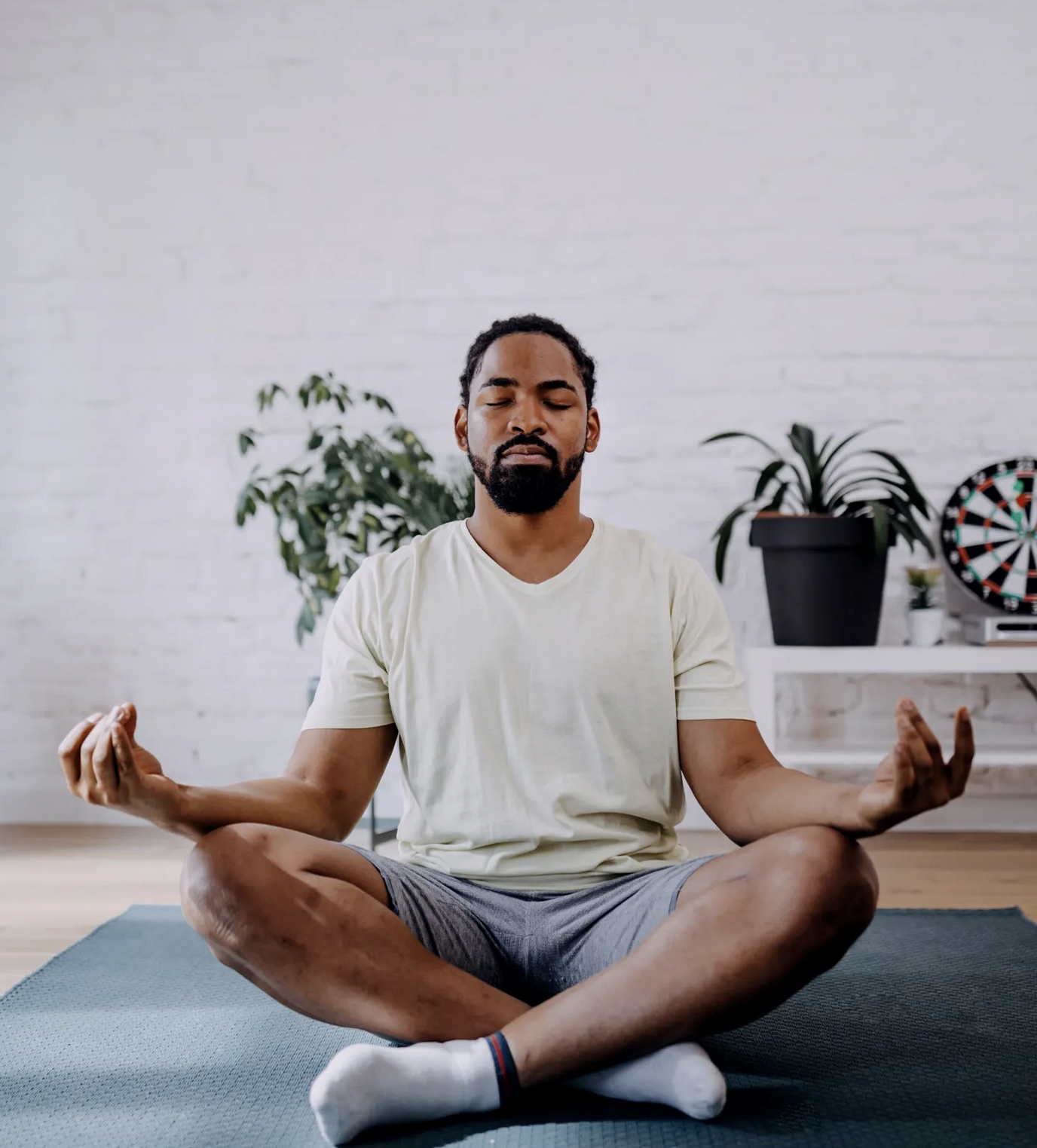
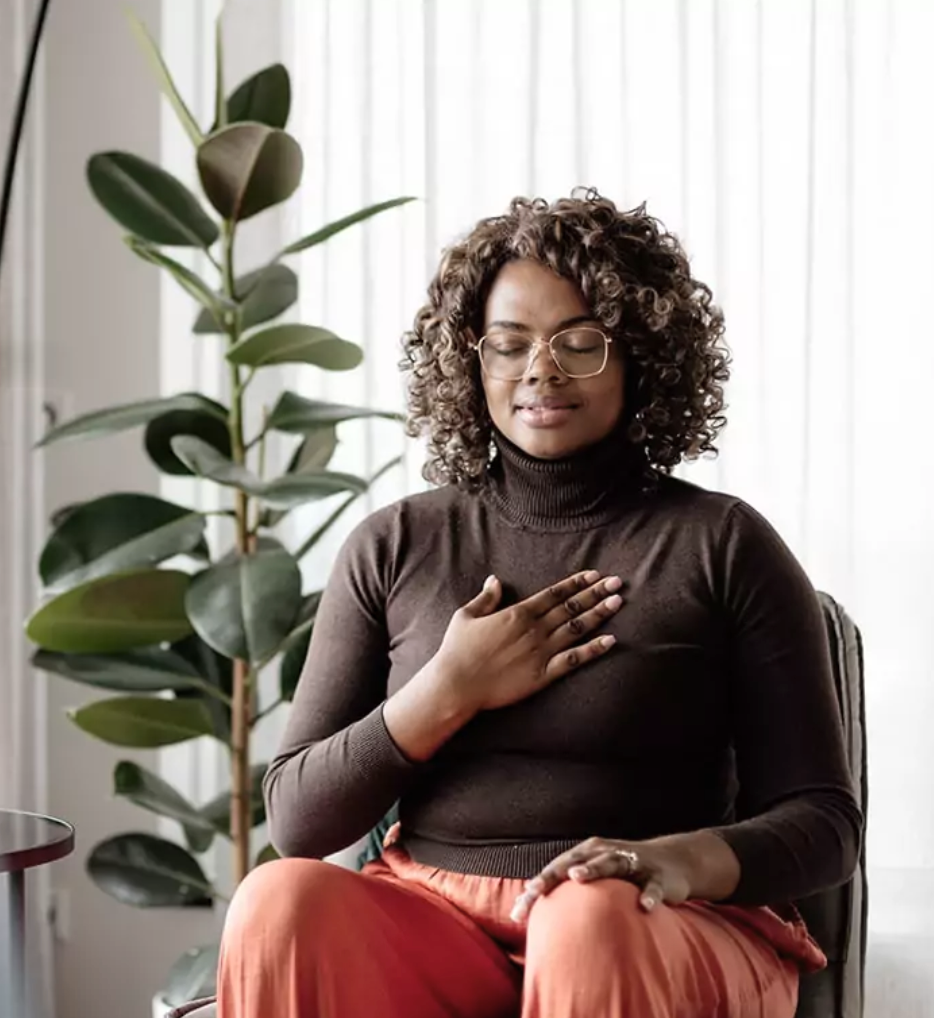
Our work may include optional somatic practices such as breathwork, meditation, gentle movement, or sound—used only when supportive.
These tools help regulate stress, build resilience, and create space for new patterns to emerge.
You don’t need to be “into” any of these practices for the work to be effective. They’re simply ways of supporting a deeper process of change.
“I belive that humor, creativity, and play belong in the process.”
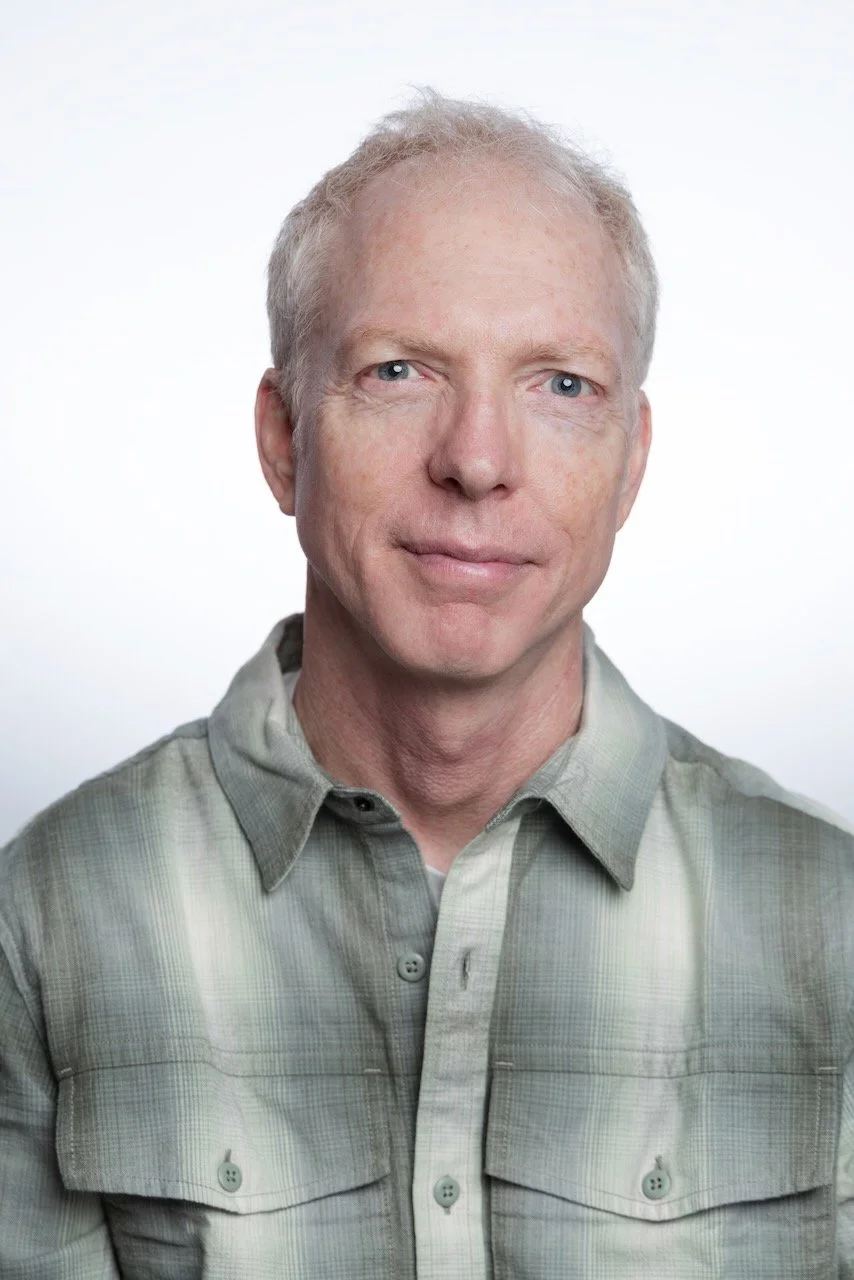
My background includes recovery coaching, trauma-awareness and experiential training, and years of working in creative and somatic spaces. I draw from these experiences to meet a wide variety of people right where they are—without pressure, labels, or a one-size-fits-all approach.
I strive to be a grounded, empathetic, and down-to-earth presence. I believe recovery work can be meaningful without always being heavy, and that humor, creativity, and play belong in the process. Above all, I’m committed to walking alongside you as you build a life that feels steadier, more connected, and more your own.
Why I work this way:
Before becoming a recovery coach, I spent years as a documentary filmmaker, learning how to listen closely and without judgment. That way of listening continues to shape how I show up for clients: curious, present, and attentive to what’s beneath the surface.
I don’t believe lasting change comes from harsh discipline or self-judgment. In my experience, recovery unfolds when the nervous system feels safe, the body is included, and awareness replaces shame.

What working
together looks like:

Sessions are one-on-one, virtual or in person (depending on location), and tailored to your needs and pace.
We may explore patterns of recovery, emotional sobriety, stress, relationships, and daily life, while also building tools and routines that help you feel more grounded and supported between sessions.

This work is not about forcing change. It’s about creating a steady, compassionate space where you can practice riding the waves of life with grace and courage.

Take the next step
If this feels like the right fit for you, the next step is simple: reach out for a free discovery call.
Think of it dipping a toe into the water—an opportunity to ask questions, get a sense of how we might work together, and see if this support feels right for you.
Frequently asked questions:
-
No. While I specialize in addiction recovery and emotional sobriety, I also work with people who are sober-curious, exploring patterns, or simply looking to make meaningful life changes. You don’t have to have a perfect track record—just curiosity and willingness.
-
Not at all. Somatic practices like breathwork, movement, meditation, and sound are optional tools to support the process. You can use them as much or as little as feels right for you.
-
Recovery coaching is different from therapy. It doesn’t focus on diagnosis or treatment. Coaching is forward-focused, practical, and relational—helping you build awareness, create new patterns, and expand choice.
-
No. Coaching complements other supports like sponsors, AA, therapy, or treatment programs—it doesn’t replace them. Think of it as an additional layer of guidance and accountability tailored to you.
-
That’s completely okay. Often the first session is about exploring what’s present, identifying priorities, and finding a rhythm that feels supportive. You don’t need a plan going in—we figure it out together.